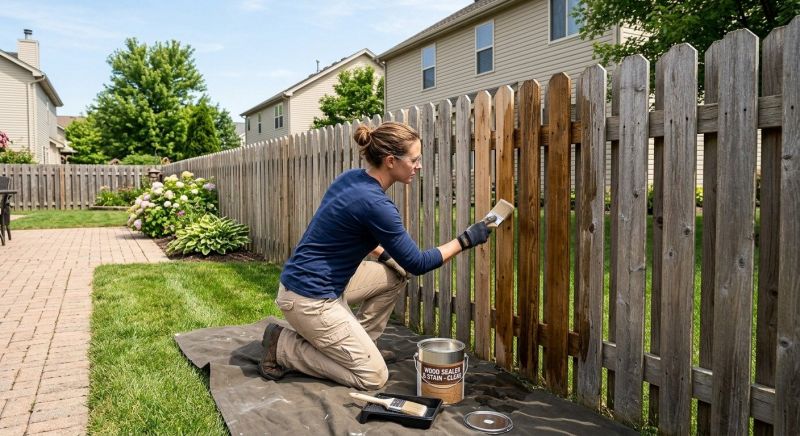
Fence Sealing in Kitsap County, WA
Fence sealing services involve applying protective treatments to fences to help guard against weather, moisture, and general wear over time. This service is suitable for a variety of fencing materials, including wood, vinyl, and composite fences, and is often requested for projects aiming to extend the lifespan and maintain the appearance of outdoor structures. Property owners typically want to understand the benefits of sealing, such as improved durability and resistance to damage, as well as the best timing for application to ensure optimal protection.
Before requesting fence sealing, homeowners should consider the type of fencing material, the current condition of the fence, and local climate conditions that may influence the need for sealing. It’s also helpful to inquire about the recommended frequency of sealing treatments and any preparation steps required prior to application. Proper understanding of these factors can help property owners make informed decisions to maintain the integrity and appearance of their fences over time.
Many property owners in Kitsap County, WA look into Fence Sealing for repairs, replacements, upgrades, and appearance-related improvements.
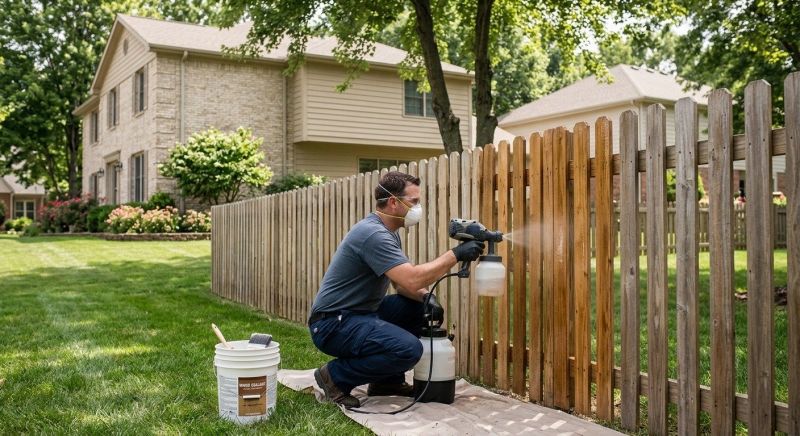
Protecting Your Fence
Sealing extends the lifespan of fences by preventing water damage and decay.
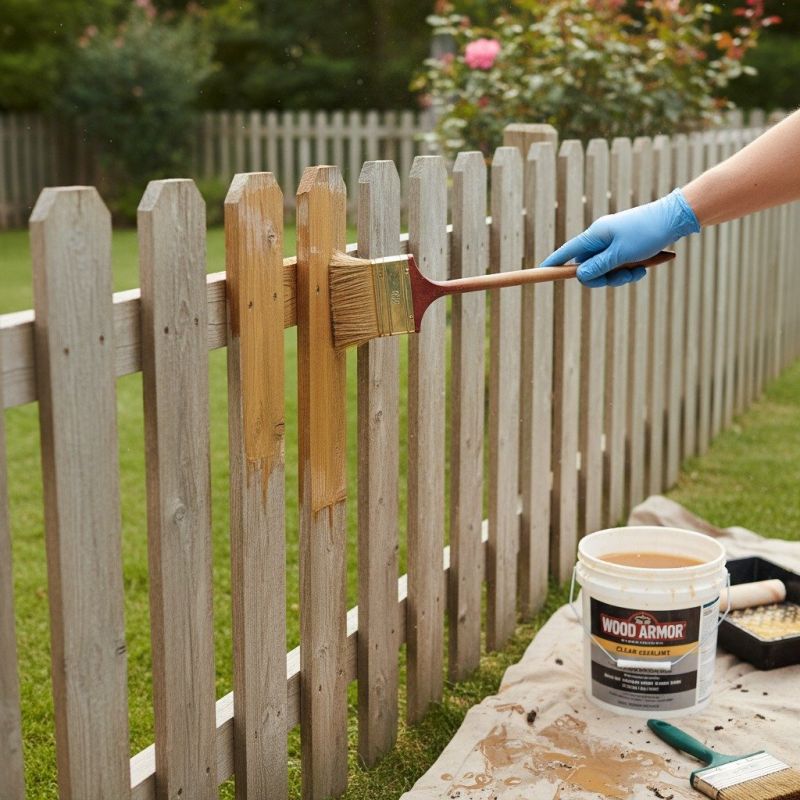
Enhancing Curb Appeal
A properly sealed fence maintains its appearance and adds value to your property.
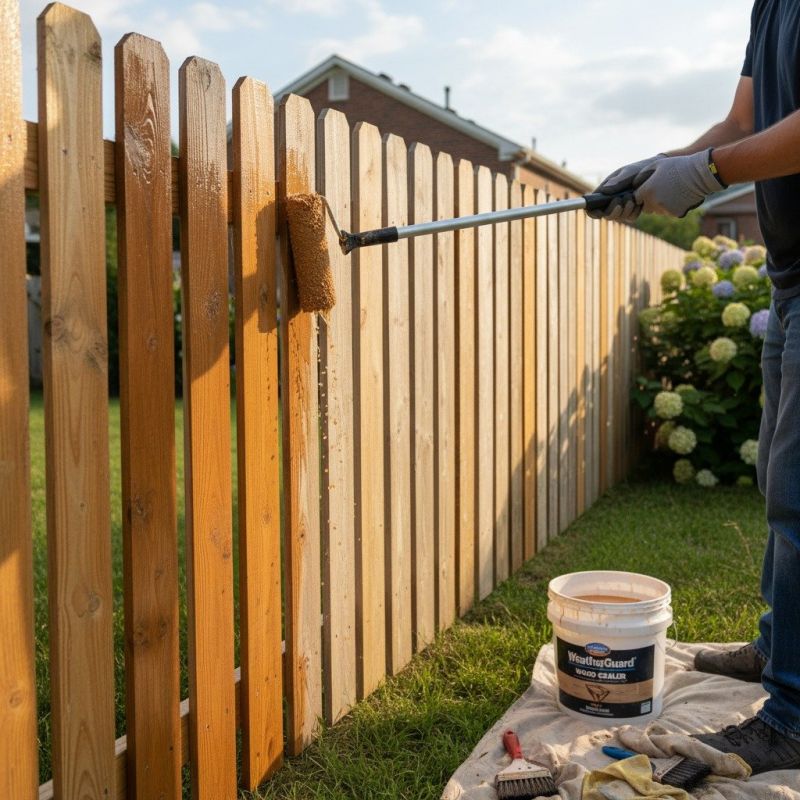
Preventing Common Issues
Fence sealing helps avoid problems like warping, cracking, and rot caused by moisture exposure in kitsap county.
Fence Sealing in Kitsap County, WA
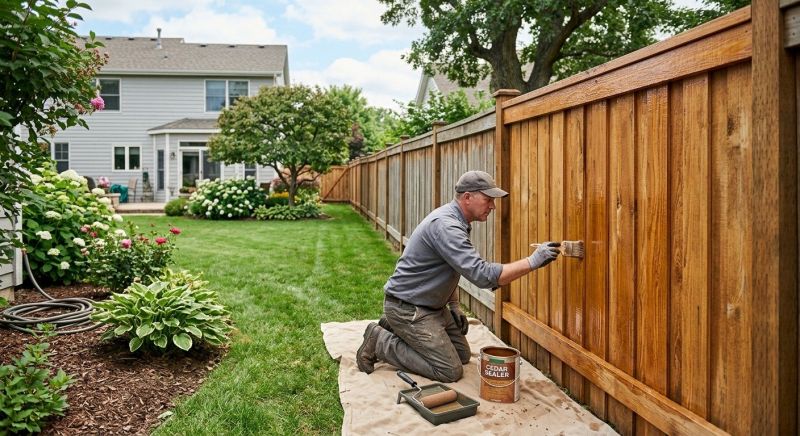
Fence sealing services involve applying protective treatments to fences to help guard against weather, moisture, and general wear over time. This service is suitable for a variety of fencing materials, including wood, vinyl, and composite fences, and is often requested for projects aiming to extend the lifespan and maintain the appearance of outdoor structures. Property owners typically want to understand the benefits of sealing, such as improved durability and resistance to damage, as well as the best timing for application to ensure optimal protection.
Before requesting fence sealing, homeowners should consider the type of fencing material, the current condition of the fence, and local climate conditions that may influence the need for sealing. It’s also helpful to inquire about the recommended frequency of sealing treatments and any preparation steps required prior to application. Proper understanding of these factors can help property owners make informed decisions to maintain the integrity and appearance of their fences over time.
Many property owners in Kitsap County, WA look into Fence Sealing for repairs, replacements, upgrades, and appearance-related improvements.
Common Fence Sealing Jobs
Wood fence sealing - helps protect wood fences from moisture damage and extends their lifespan.
Vinyl fence sealing - prevents staining and keeps vinyl fences looking clean and new.
Chain-link fence sealing - reduces corrosion and rust, maintaining structural integrity.
Picket fence sealing - guards against weathering and preserves the appearance of decorative fences.
Privacy fence sealing - offers a barrier against the elements to maintain privacy and durability.
Fence post sealing - shields posts from water penetration, preventing rot and decay.


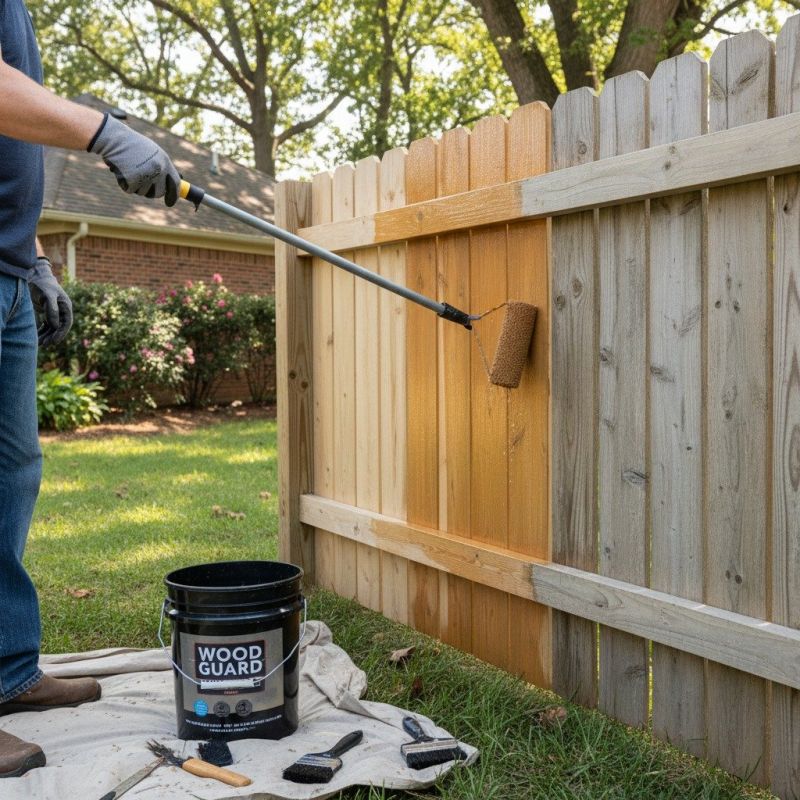
Fence Sealing Questions
What types of fences can be sealed? Fence sealing services typically accommodate wood, vinyl, and composite fences to protect and enhance their appearance.
Why is sealing a fence important? Sealing helps prevent damage from moisture, UV rays, and pests, extending the life of the fence.
How often should a fence be sealed? The frequency of sealing depends on the fence material and local climate, but generally every 1 to 3 years is recommended.
What benefits does sealing provide? Sealing improves the fence’s durability, appearance, and resistance to weather-related wear and tear.
Request Fence Sealing in Kitsap County, WA
Use the quote form on this page to share the basics of your project and request more information for the type of work you need.